

I seriously thought I would be getting into the part I enjoy the most: road tuning. But, a couple of minor “setbacks” has come up.
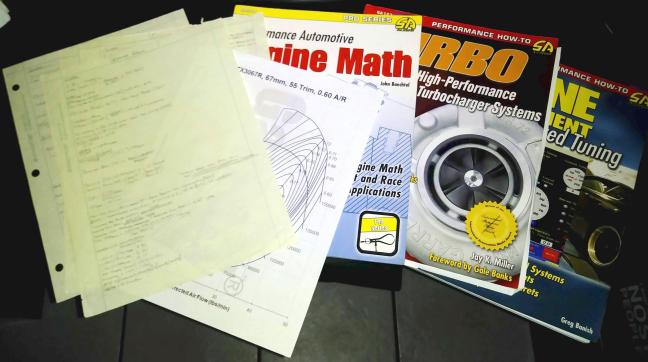
Well, until I correct the ‘minor’ issues at hand, I thought I would provide some recommended reading materials for those who are curious about Electronic Fuel Injection (EFI), forced induction setups (turbos and superchargers), and the math/science behind it.
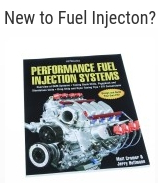
First is Performance Fuel Injection Systems By Matt Cramer and Jeff Hoffman. These guys are the gurus behind Megasquirt line of Engine Management Systems (EMS) and DIYautotune.com. The book is written to go into everything from descriptions of the various setups to engine tuning methods without you feeling like you need an MS in Automotive Engineering specializing in OEM Calibrations. I highly recommend starting here with their book and have a look at their Amazon site DIYAutoTune Amazon Page and browse their DIY Autotune tech pages web page for tons of information. I have harassed them many times about a variety of issues like timing strategies, sequential injection, E85 sensors, types of intake air temp sensors to deploy, and so forth.
Second, is the book Engine Managment Advanced Tuning By Greg Banish. Written by a well-established engineer and OEM/aftermarket tuner, he goes through the methodical process of engine calibration chapter by chapter. The first two chapters are dedicated to some conceptual explanation. Though some of the tools in the book is somewhat dated (published in 2007), the concepts are still the same.
For example, in chapter 8, he has a commentary about the NTK AFX wideband oxygen sensor. Engine Control and Monitoring (ECM), based in Los Altos, CA has discontinued that product but was revived as the AFR500v2 by Ballenger Motorsports which can be found on Amazon here or their site here. Same sensor, but just a few changes. Overall, the information inside is very good just be aware some of the tech used is ever evolving. As a sidenote: Ballenger Motorsports has a large collection of OEM automotive-grade electrical receptacles and made-to-order pigtails.

The third recommendation is Performance Automotive Engine Math By John Baechtel. Mr. Baechtel has 40+ years in the automotive performance field as being an editor for both Hot Rod and Car Craft magazines, holding land speed records, and writing this award-winning reference book. It’s very straight forward in covering the background science on the various formulas, the applications, and solving the equations. In Chapter 8, he covers extensively Exhaust Systems Math and has a two-page commentary covering header modeling and design kit by Icengineworks, an Austin, TX company. Once you’ve done the math, you can jump right into designing your own header. Isn’t that cool!? He even covers in Chapter 10 importance of knowing your localized atmospheric weather and how it affects combustion performance. While he does cover in a chapter about forced induction, it’s mainly geared towards carbed V-8s… there’s actually a more detailed book for that.

Lastly, Turbo Real World High-Performance Turbocharger Systems By Jay K. Miller. While this is a good background and reference book, I felt like it was necessary to use the other books previously mentioned in conjunction to pull together a complete picture. For instance, the chapter “Tuning Your Turbo Engine”, it kind of gives you an overview of what needs to be done which is fine if you have read the previous mentioned books. Chapters like Chapter 3 and 6 are very valuable once you have decided that you want to upgrade to a turbo with most if not all conciderations and math involved. What I kind of wish the book would talk about are sequential twin turbos and twin scroll turbos setups along with the science, advantages, and disadvantages.
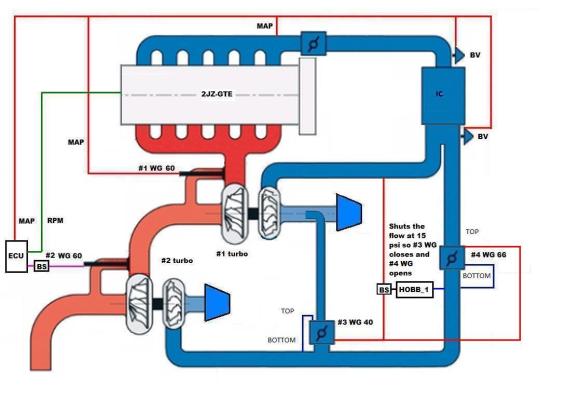
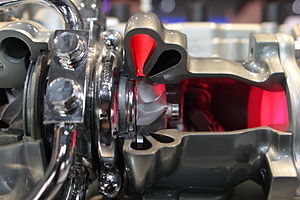
Another companion for reference is the Boost Advisor by Garrett – Honeywell.


It does the selection process (and math) for you as long as you understand the parameters its asking you.
In summary, there are tons of information out there to get you aquainted with EFI systems and the art/science behind building your own performance machine. This information presented here is just scratching the surface, but it is very good information to build off of. I will get bak to the minor issues and hopefully tuning.

*And yes, CSS is still giving me headaches at the moment 🤔…
 Banneker Motoring, Ltd.℠
You must be logged in to post a comment.